


War Zone: Fight For Homeland
4.41.32K Reviews
App Specs
- Version
- 0.0.5.5
- Updated On
- License
- Free
- Downloads
- 10,000,000+
- Developer
- Horus Entertainment
- Categories
- Action
- Platform
- Android, iOS
Screenshots
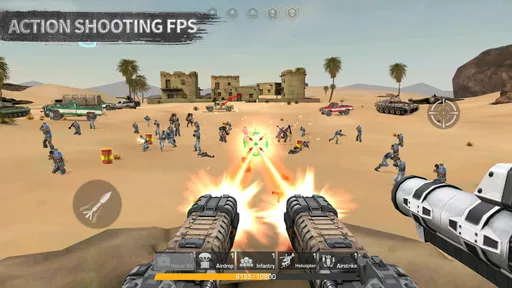
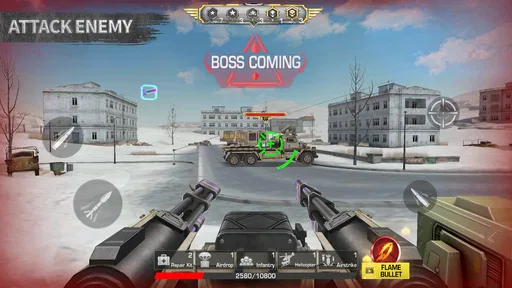
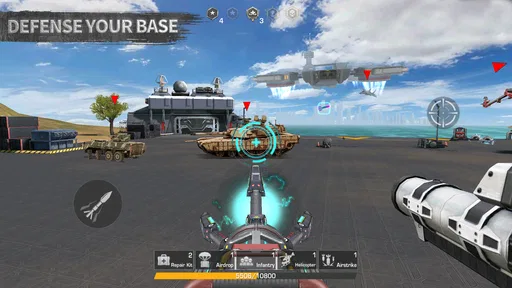
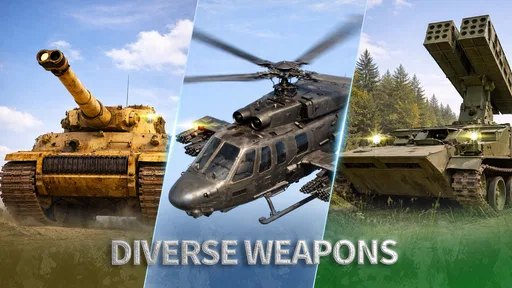
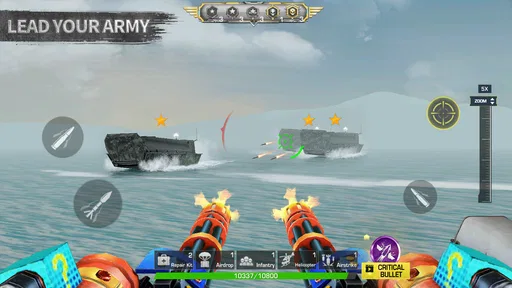
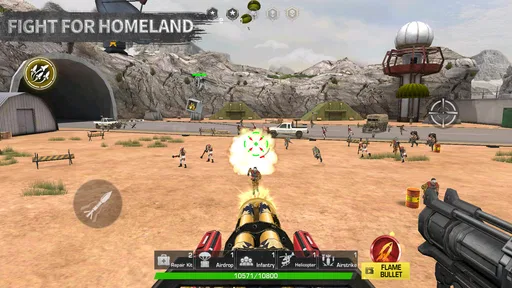
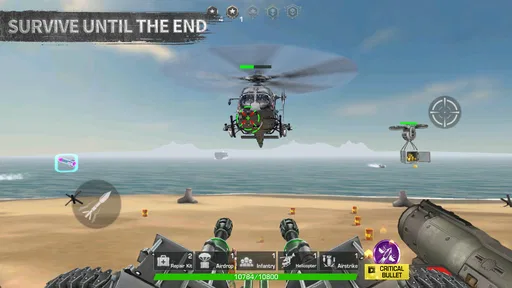
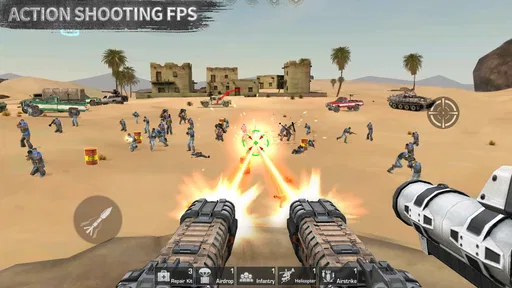
 Analysis by AppCompare
War Zone: Fight For Homeland is the kind of mobile action game I open when I want a direct shooting session rather than a long story or a complicated strategy layer. It is an FPS from Horus Entertainment, built around the simple appeal of entering a combat scenario, aiming quickly, and trying to survive the pressure. The important point for a new player is that it supports both online and offline play, so it can fit different situations instead of demanding a constant connection every time you want to play.
I found the game easiest to understand when I treated the first session as a short practice run rather than expecting a polished console-style campaign immediately. Its free entry makes trying it straightforward, while optional purchases range from $0.49 to $109.99 per item, so I would approach the store carefully and decide early whether I am happy progressing without spending. The Teen content rating also tells me this is aimed at players who are comfortable with action violence and a more serious war setting.
What the first session really feels like
The central experience is uncomplicated: move through a combat environment, identify threats, aim, fire, and stay alive long enough to complete the immediate objective. That directness is useful on a phone because I do not have to learn a large set of unrelated systems before the shooting becomes enjoyable. At the same time, it means the quality of each encounter matters a lot. If you prefer deep character building, elaborate exploration, or a large narrative campaign, this is probably not the right first choice.
I would describe the visual and mechanical ambition as that of a compact mobile FPS rather than a full replacement for a major console shooter. That is not necessarily a weakness. A short match or offline run can be a good way to fill a spare moment, especially when I do not want to coordinate with other players. The trade-off is that players looking for a highly refined competitive ecosystem may notice the simpler presentation and narrower focus.
The game has attracted a substantial audience, with over ten million installs and an average rating of 4.4 from around sixty thousand ratings. Those figures suggest that the basic formula connects with many mobile players, but they should not replace personal testing. Shooting games feel very different depending on screen size, touch comfort, device performance, and tolerance for repeated combat encounters.
Before starting, I recommend deciding which kind of session you want. If I am travelling or dealing with an unreliable connection, I begin with the offline option and use it to become comfortable with aiming and movement. If I want the unpredictability of competing or cooperating through an online mode, I wait until I understand the controls. Going online before learning the basic handling can turn the first experience into confusion rather than a useful test of the game.
How I approach the first setup
War Zone: Fight For Homeland is free to download, and it supports devices running Android 7.0 or later. That makes it accessible to many older phones, although the minimum operating-system requirement does not guarantee identical performance across every device. I would close unnecessary apps, keep enough storage available for a comfortable installation, and begin with a stable connection if the game needs to prepare online content or account-related elements during the first launch.
Worth Reading Before You Choose

EA SPORTS FC Mobile 26 Is a Bigger Football Game, but It Takes Time

Flipboard Shows What News Apps Must Do Beyond the Feed

Switching to Android Auto Means Rethinking Your Driving Routine

Google Calendar Makes a Crowded Week Easier to Manage

Ludo King Makes the Most of the Minutes Between Plans

Baby Panda World Brings Quick Play to Modern Phones, but Its Game Library Feels Busy
The current version is 0.0.5.5, which is worth keeping in mind when judging the experience. A version number like this can indicate that the game is still receiving changes, so small differences in menus, balance, or presentation may appear over time. I would not assume that a control option or screen arrangement will remain exactly where I first found it after an update. Taking a moment to inspect the settings before entering combat can save frustration.
My first practical step is to check the control layout and sensitivity rather than immediately pressing through every prompt. On a touchscreen, a setting that feels fine in a menu can feel too fast once enemies appear. I prefer making small adjustments, testing them in a low-pressure situation, and changing only one thing at a time. If I change movement, aiming, and firing sensitivity together, I cannot tell which adjustment helped.
For a first-time player, the most useful preparation is not memorizing a weapon list or chasing upgrades. It is learning where the movement area is, how aiming responds, and how the game signals danger. I keep my thumbs in a relaxed position and avoid covering the part of the screen where I need to see approaching targets. That sounds obvious, but cramped finger placement is one of the quickest ways to lose awareness in a mobile FPS.
I also recommend beginning without spending money. The available in-app purchases cover a very broad range, from a small amount to a much larger premium purchase. That does not mean spending is required for a good session, but it does mean I would not tap purchase buttons casually while still learning the menus. First understand what the free experience offers, then decide whether a paid item solves a real problem for your play style.
Reaching the first meaningful success
My definition of a successful first run is not a perfect score. It is completing an objective while keeping control of the character and understanding why the result happened. That mindset is especially helpful here because a new player can easily focus on firing continuously and miss the more important habit of positioning. I get better results when I pause between engagements, check the surrounding space, and move with a reason instead of rushing toward every visible target.
When I enter a new area, I look for safe moments to learn the layout. I do not treat every open space as a place to sprint through. A short movement to a better angle can be more valuable than standing in the middle and trying to win a fast exchange. This is one of the first non-obvious lessons of playing on a phone: keeping the screen readable is part of aiming. If I move too aggressively, visual information becomes harder to process and I react late.
Another useful habit is separating observation from action. I first identify where the immediate threat is, then aim, fire, and move. Holding the firing control while searching can make the encounter feel frantic and can waste attention. Even if the game rewards fast reactions, a calm rhythm helps me notice whether I am losing because of inaccurate aim, poor positioning, or simply moving into danger.
For an everyday example, imagine having a short break while travelling and no dependable mobile signal. I would choose an offline session, play one compact run, and use it as a control exercise rather than trying to force a long progression goal. If I fail, I can identify one specific correction for the next attempt: keep more distance, stop exposing myself in open ground, or adjust sensitivity slightly. That makes the game feel constructive instead of like a string of random defeats.
Online play is better approached after this first success. Once I know how the controls respond, other players become a test of decision-making rather than a test of whether I can find the fire button. I still expect a steeper learning curve online because human opponents are less predictable than scripted threats. For that reason, I would not judge the entire game from a difficult first online match.
The best early goal is controlled progress, not immediate domination. A player who learns the interface and completes a meaningful objective will have a much clearer basis for deciding whether the combat loop is enjoyable. This also reduces the temptation to spend money simply because the first session felt confusing.
Where new players commonly get confused
The biggest source of friction is the difference between understanding the idea of an FPS and handling one on a touchscreen. On a controller or keyboard, movement and aiming have dedicated physical inputs. On a phone, both actions compete for screen space and finger precision. I found that the game becomes easier to evaluate after I stop expecting perfect control immediately and give myself a few attempts focused only on clean movement.
It is also easy to mistake a difficult encounter for a weak weapon or a missing upgrade. Sometimes the real issue is exposure. If I remain visible while trying to line up a shot, no purchase will fix the underlying decision. I first change my route or timing, then consider whether equipment or progression is genuinely relevant. This order matters because it prevents the store from becoming my first response to ordinary beginner mistakes.
Another point worth clarifying is the role of offline play. Offline access is valuable, but I would not assume that every online-related element behaves identically without a connection. I use offline mode as a dependable way to practise and play when connectivity is inconvenient, while treating online mode as the place for network-dependent interaction. That simple distinction keeps my expectations realistic and avoids blaming the game when a connected function cannot be used away from a network.
The content rating is Teen, so parents and younger players should consider whether the combat presentation is appropriate for them. I would not recommend handing it to a child simply because it is free. The war-focused setting and shooting gameplay are central to the experience, not minor background details.
Performance is another practical consideration. Android 7.0 compatibility makes the game available to a wide range of devices, but older hardware may not provide the same smoothness as a newer phone. If aiming feels inconsistent, I would first check whether the problem is device performance, touch sensitivity, or network conditions before deciding that the shooting itself is poor. A stable frame rate and responsive screen are especially important in an FPS, where a small delay can change the outcome.
I would also be cautious with expectations around the version. The game was released on October 24, 2022, and its current version is 0.0.5.5. That combination tells me I should view it as a game that may continue evolving rather than as a completely settled package. I like the possibility of improvement, but I also accept that menus, balancing, and the overall feel may not be as final as in a long-established premium title.
How it compares with familiar mobile shooters
Compared with large online shooters, this game’s most appealing difference is the ability to play offline as well as online. That makes it more flexible for commuters, travellers, or anyone who does not want every session tied to a connection. The compromise is that players who choose a popular competitive alternative may find a broader social ecosystem, more elaborate progression, or a more polished competitive structure there.
Compared with story-heavy action games, War Zone: Fight For Homeland is easier to approach because the shooting is the main reason to play. I do not need to invest in a large fictional world before deciding whether I enjoy the moment-to-moment combat. On the other hand, a player who wants memorable characters, extended dialogue, or exploration should look toward a narrative-focused game instead.
It also differs from casual arcade shooters. The war setting and FPS viewpoint create a more focused combat mood, while casual alternatives may be better for someone who wants bright presentation, very short rounds, or minimal pressure. I would choose this game when I want to concentrate on aiming and movement, not when I want a completely relaxed puzzle-like break.
One trade-off that matters is cost. Free access lowers the barrier to trying it, but the in-app purchase range means the optional economy deserves attention. I would compare any purchase with the actual benefit it provides to my routine. If I only play occasionally offline, a large purchase would make little sense. If I play regularly and find a small convenience genuinely useful, I can evaluate it later, after learning the game without it.
Who will enjoy it and who should skip it
I think it suits players who want a straightforward action FPS on Android, appreciate having an offline option, and are willing to spend a little time adapting to touch controls. It is also a reasonable choice for someone who wants to test a free game before committing to a premium purchase. The combination of accessible entry and flexible connection requirements is its clearest practical strength.
I would be less likely to recommend it to someone seeking a highly cinematic campaign, advanced tactical simulation, or a mature esports-style environment. It may also frustrate players who dislike adjusting controls or who expect every older device to deliver identical performance. If you want a game that can be understood instantly with almost no practice, a simpler arcade shooter may be a better fit.
Players who are sensitive to optional purchases should set a firm boundary before playing. I would browse the free content first, avoid buying during a frustrating loss, and only reconsider after I know exactly what I am paying for. That approach keeps the decision connected to enjoyment rather than impatience.
The next step after the first few runs
After I have completed a successful offline session, I would repeat the same type of run while changing only one habit. I might use a different route, slow down before entering an exposed area, or practise keeping the target centered while moving. This creates a simple personal training loop and reveals whether the game rewards learning or merely repetition.
Once the controls feel natural, I would try online play with modest expectations. I would treat the first matches as observation exercises: watch how other players move, notice when I become exposed, and identify whether connection quality affects responsiveness. There is no benefit in judging the game solely by a loss if I still do not understand the pace of its online encounters.
I would keep the store and progression choices separate from basic skill development. First learn to aim, move, and read danger; then decide whether an optional item adds meaningful value. This is especially important because the purchase range is wide, and a new player can easily confuse a difficult learning phase with a need to spend.
Horus Entertainment’s game is best understood as a flexible, free-to-start mobile shooter with a clear offline advantage and a focused action loop. Its rating of 4.4 and large install base show that it has found an audience, but the real test is whether its touchscreen combat feels comfortable on your device. I recommend giving it a fair trial through a few deliberate runs rather than making a decision after one rushed match.
My final view is positive but measured. I enjoy the convenience of being able to practise without a connection, and I like that the first meaningful success can come from better positioning rather than immediate spending. Still, it is not a universal replacement for every mobile FPS. If you want accessible shooting with online and offline flexibility, it is worth trying; if you want a deep campaign or highly polished competitive structure, choose a more specialised alternative.
Pros
- Fast-paced combat keeps matches engaging and easy to replay.
- Multiple weapons allow players to adapt their fighting style.
- Short battles work well for quick gaming sessions.
- Action-focused gameplay offers an immediate
- accessible experience.
- Progression rewards regular play and encourages continued improvement.
Cons
- Enemy encounters can become repetitive after extended play.
- Some upgrades may take considerable time to unlock.
- On-screen controls can feel crowded on smaller phones.
- Performance may vary on older or less powerful devices.
- Frequent battles may feel overwhelming for players seeking a relaxed game.
FAQs for War Zone: Fight For Homeland
What is War Zone: Fight For Homeland?
War Zone: Fight For Homeland is a military-themed action game focused on combat missions, battlefield movement, and strategic decision-making. Players typically take part in armed encounters, complete objectives, and progress through increasingly difficult scenarios. Before downloading, keep in mind that the experience is designed for users who enjoy shooting, war settings, and fast-paced gameplay rather than casual puzzle or simulation mechanics.
How does the gameplay work in War Zone: Fight For Homeland?
The game combines direct combat with mission-based objectives. You may need to move through hostile areas, eliminate opposing forces, survive attacks, and complete specific tasks to advance. Controls generally focus on movement, aiming, shooting, and managing your position during battles. New players should spend time learning the controls and understanding enemy behavior, since rushing into open areas can make missions considerably more difficult.
Is War Zone: Fight For Homeland free to download and play?
War Zone: Fight For Homeland may be available as a free download, but the exact monetization system can depend on the Android or iOS version and the developer’s current release. Free games may include advertising, optional purchases, unlockable content, or resources that speed up progress. It is a good idea to check the store listing for in-app purchase details before installing, especially if children will use the device.
Can War Zone: Fight For Homeland be played offline?
Offline availability can vary depending on the version and the specific features you want to use. Some mission-based content may work without a constant connection, while advertisements, cloud saving, updates, online events, or other connected functions may require internet access. If offline play is important to you, verify the latest store description and test the game after installation before relying on it during travel.
What devices are compatible with War Zone: Fight For Homeland?
Compatibility depends on the operating system, device model, available storage, and the minimum requirements listed by the developer. Because action games can use considerable processing power, older phones or tablets may experience slower loading, reduced graphics quality, overheating, or occasional crashes. Before downloading, check the official Google Play or App Store page, keep enough free storage available, and install system updates when possible.


